



Ready to Embark on an Exciting Journey with WIN?
Take the first step toward personal and financial freedom by filling out the interest form. One of our franchise advocates will be in touch with you soon!

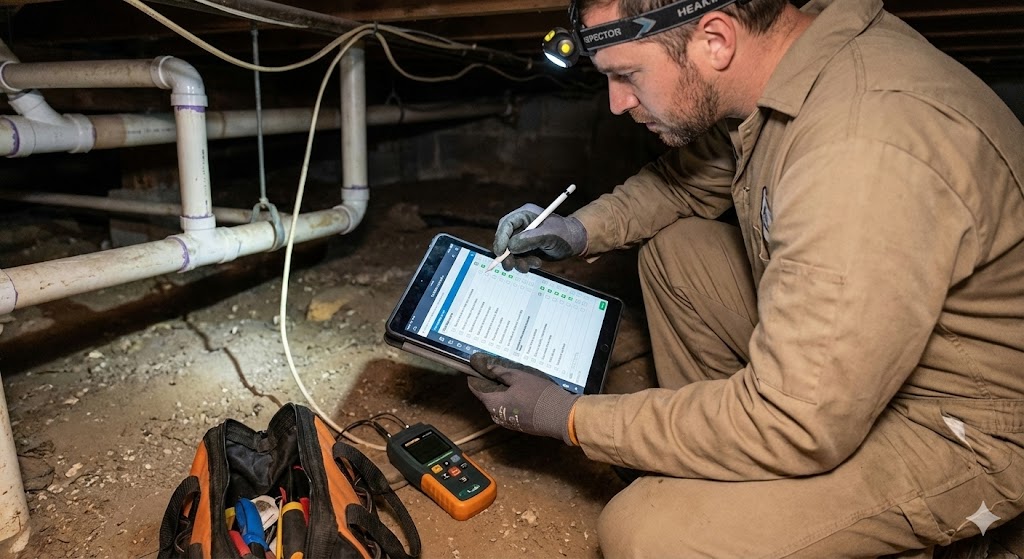
Your first year as a home inspector will be as defining as it is exciting. You’ll start with the joy of embarking on a new career path, the highs of receiving the necessary certifications, and the enthusiasm of serving your first client. Soon, it will be time to put in the work and establish a reputable business that realtors and locals love to work with.
Since the first year is a formative period, your first months should focus on building your confidence as a home inspector. While a large part of that process involves learning, you will also spend a chunk of your time building relationships with others in your industry. Once you are skilled and have rising credibility, sprinkle a healthy dose of professional tools, and you are off to a great start. Here are the common steps to becoming a home inspector.
While laying a strong foundation sounds technical, it is also a psychological process. Having the right mindset determines how you’ll fare in your journey.
If you’re coming from a structured nine-to-five routine, you may need time to adjust to becoming a home inspector. Some days are busy with multiple clients waiting and calls to make. Others are quiet, featuring moments of self-reflection and doubt. New inspectors also take time to understand that they are essentially running a business. The mental shift means embracing urgent opportunities, flexibility, and uncertainty. When you’re just starting, being in the right mental space may be more important than technical skills.
Figuring it out all on your own may feel overwhelming – and that’s where mentors come in. Your mentor doesn’t have to be an expert teaching you in a formal arrangement. It’s okay to select a person just a few steps ahead of you who is willing to share what they’ve learnt so far. Such a person can shadow your first inspections and answer work-related questions, saving weeks or months of trial and error.
There’s truth in the saying that business without marketing is like winking in the dark – you know what you’re doing, but no one else does. During your first year, marketing isn’t about appearing flashy but more about building trust and showing up.
In-person events let you put a face to a name. You’ll get to know the locals through open-house invitations and rub shoulders with realtors at Chamber of Commerce meetings. Community events are also an ideal place to meet potential homebuyers who may become your first clients. It may help to add a car wrap to your branding to signal professionalism. Networking and building relationships can be challenging, so be intentional.
While building relationships through face-to-face meetings is important, an online presence can greatly enhance your visibility. Social media is a long-hanging fruit. Start posting about business online and join communities on Facebook and LinkedIn. While at it, create a good-looking website articulating the services you offer and start publishing blog posts slowly but steadily. If the budget allows, go for paid ads on Google or Facebook and closely monitor your ROI.
» Also read: Top 10 Proven Marketing Tips for Home Inspectors in 2026
No amount of training will get you ready for your first inspection. In the field, experience is the best teacher, and you’ll quickly learn how the process unfolds.
Your first home inspection will blend excitement and challenges in equal measure. It’s normal to take longer than usual as you double-check every detail. You may also second-guess a decision you made during the inspection. At times, mistakes can occur, such as missing outdated electrical wiring or overlooking a structural defect. Your best course of action is to see yourself as an expert in the making, taking a practical lesson. Be sure to review your inspection report and communicate any errors to the client or relevant parties.
As you land more gigs, you’ll familiarize yourself with inspection and learn to trust the process. Introducing yourself and managing your time better will come more naturally. The core part of your job, which involves accurate note-taking and writing concise reports, also gets easier with time. Like seasoned inspectors, you’ll start noticing patterns that will go a long way to completing inspections faster and communicating with clients more clearly.
While a year may seem short, it is sufficient time to learn the basics of the home inspection business and start moving towards perfection. As your career progresses, you’ll need professional tools that make you more efficient.
While it’s possible to use regular spreadsheets and document editors to operate, specialized tools by WIN Home Inspection, the #1-ranked home inspection franchise, come in handy on your journey to becoming a home inspector. For example, WINconnect is a CRM that helps inspectors manage the customer journey from prospect to returning client. You can also use WINspect in the field to streamline your workflow, note observations, and write professional reports in less time. These systems run on robust cloud infrastructure, keeping your inspection data safe and enabling you to scale your business easily. It’s crucial to get the right tools from the start, as restructuring may be slow and costly.
As noted earlier, home inspection is more of a business than it is a job. In addition to learning the technical side, you need to keep your revenues and expenses in check. Be sure to understand how to best price your services and manage cash flows. Behind the scenes, there is substantial admin work, and WIN tools may help reduce paperwork. Seasoned inspectors also use accounting software to keep tabs on money and taxes.
» Also read: How Long Is Home Inspector Training?
The question of slow periods is not a matter of if but when. New and seasoned home inspectors experience low-activity seasons when call volume is lower, weeks are quieter, and scheduling gaps are wider. Usually, there is nothing but the natural rhythm of the industry.
An easy way to stay motivated is to view slow periods as an opportunity to upskill. Use this time to learn new inspection techniques. You can also revisit training materials and read excellent reports to sharpen your skills. Since you have more time on your hands, attend more events and post more on your socials. It’s an ideal time to reorganize your finances and prepare for the next busy season.
Above all, rest during low activity seasons. Burnout is real in the home inspection business, especially when you are operating solo. Spend more time with friends and family, and return to work energized and motivated. Inspectors who last long in the industry master the art of protecting themselves from a mental overload while keeping their passion for work intact.
When you’re just starting, home inspection is more about progress than perfection. It is a time to test theoretical ideas and find your footing as you learn the technical and financial side of a new, exciting career. Some days may feel like major wins, while others bring uncertainty, and both contribute to your growth.
It is essential to have a mentor or a supportive business partner to help you navigate new territory. Becoming a WIN Home Inspection franchisee will allow you to quickly learn the trade and equip you with tools that position you for success.
Schedule a call with the WIN team to understand how the right support system can help your home inspection business thrive.